

Category : Tooth Extractions

What Is the Difference Between a Periodontist and an Endodontist?

Introduction

Dental care often involves more than routine cleanings and cavity treatment. 

As oral health concerns become more specialized, patients may hear terms such as “periodontist” or “endodontist” and feel uncertain about what these specialists actually do. While both focus on preserving oral health and natural teeth, their areas of expertise differ significantly.

For many individuals, this confusion usually begins after symptoms appear.

Since both specialties involve treating infections and supporting tooth preservation, it can be difficult to understand where one ends and the other begins.

Another common misconception is that all dental specialists treat the same issues using similar procedures. In reality, periodontists and endodontists focus on entirely different parts of the tooth and surrounding oral structures.

Understanding these distinctions is important because receiving the correct treatment early often helps prevent complications and improve long-term oral health outcomes.

Therefore, this blog takes a closer look at the difference between a periodontist and an endodontist via topics like:

  • Periodontist Vs. Endodontist – Root Cause of the Problem
  • Different Between the Treatment Approach – How it Works
  • Benefits of Visiting A Periodontist & Endodontist

So continue reading as we learn more about the periodontist vs endodontist differences in depth in the following sections. 

Periodontist Vs. Endodontist – Root Cause of the Problem

According to the American Dental Association (2024), dental specialties are designed to address specific areas of oral health that require advanced training beyond general dentistry. Periodontics and endodontics are two specialties that are commonly confused because both often involve infection management and tooth preservation.

A periodontist specializes in the gums, supporting bone, and tissues surrounding the teeth. Patients are typically referred for concerns such as gum disease, gum recession, bone loss, or dental implant-related treatment. These issues often develop gradually and may begin with symptoms such as bleeding gums, swelling, or persistent bad breath.

An endodontist, on the other hand, focuses on the inner pulp and root canal system of the tooth. When infection or inflammation develops inside the tooth due to deep decay, trauma, or cracks, an endodontist may perform root canal treatment to preserve the natural tooth.

Without proper diagnosis, patients may delay treatment or misunderstand which specialist is best suited for their symptoms. Understanding the role of each specialty helps ensure that oral health concerns are addressed more accurately and efficiently.

Different Between the Treatment Approach – How it Works

a. Evaluation of symptoms and oral structures:

The process begins with a detailed examination of the teeth, gums, and surrounding tissues. Symptoms such as swelling, sensitivity, gum bleeding, or persistent pain help determine whether the issue is related to the gums or the inner tooth structure.

b. Identifying whether the problem involves gums or tooth pulp:

If the concern involves gum inflammation, bone support, or gum recession, periodontal treatment may be recommended. If the issue involves infection inside the tooth pulp or root canals, endodontic treatment may be more appropriate.

c. Diagnostic imaging and specialized assessment:

X-rays and digital imaging are often used to identify bone loss, gum-related damage, or infection within the tooth roots. This helps determine the exact location and severity of the condition.

d. Referral to the appropriate specialist when necessary:

Depending on the diagnosis, patients may be referred to either a periodontist or an endodontist for advanced treatment tailored to the specific condition.

e. Treatment focused on preserving oral health and natural teeth:

Periodontal care focuses on restoring gum and bone health, while endodontic treatment focuses on removing infection from inside the tooth to preserve its structure.

f. Long-term monitoring and preventive maintenance:

Follow-up care helps monitor healing, reduce the risk of recurrence, and maintain long-term oral stability after specialized treatment is completed. Therefore, it’s best to visit your dentist in Keller, TX, at regular intervals. 

At A Glance

CategoryPeriodontistEndodontist
Area of FocusGums and supporting structuresInner pulp and root canals
Common ConditionsGum disease, recession, and bone lossTooth infection, pulp damage
GoalRestore gum healthPreserve the infected tooth
Typical SymptomsBleeding gums and swellingTooth pain and lingering sensitivity
Location & ContactKeller Family Dental794 Keller Pkwy A, Keller, TX 76248, United States

Benefits of Visiting A Periodontist & Endodontist

Helps patients seek the correct treatment sooner:

Understanding the differences in infected tooth and gum disease treatment in Keller, TX, between these specialties helps patients respond more quickly to symptoms and avoid delays in receiving proper care.

Improves the accuracy of diagnosis and treatment planning:

Gum-related conditions and internal tooth infections require different treatment approaches. Identifying the correct source of the problem supports more effective care.

Supports preservation of natural teeth whenever possible:

Both specialties focus on protecting long-term oral health and preserving natural teeth through targeted treatment methods.

Reduces the risk of worsening infection or damage:

Early specialist evaluation helps prevent infections from progressing into more advanced gum or tooth-related complications.

Provides more specialized care for complex conditions:

Advanced training allows periodontists and endodontists to address issues that may require more focused expertise than general dental treatment alone.

Encourages better understanding of oral health symptoms:

Patients who understand how symptoms relate to gum or pulp conditions are often more proactive about seeking preventive care.

Supports long-term oral stability and maintenance:

Correct treatment and follow-up care help maintain healthier gums, stronger teeth, and improved overall oral function over time.

Keller Family Dental – The Local Connection

As Keller continues growing with busy families and professionals, many patients seek clearer guidance when experiencing symptoms such as gum swelling, tooth pain, or persistent sensitivity. 

Understanding whether a condition involves the gums or the inner tooth structure can help patients pursue treatment more confidently and efficiently. Keller Family Dental supports patients in nearby communities by conducting evaluations to identify the source of oral discomfort and recommending the most appropriate treatment pathway. 

Local residents often ask whether they need gum therapy, root canal treatment, or referral to a specialist.

The practice emphasizes patient education, detailed evaluations, and personalized treatment planning to improve understanding and support long-term oral health. A patient-centered approach and flexible scheduling help individuals navigate dental care more confidently.

FAQs

1. What does a periodontist primarily treat?

A periodontist focuses on conditions affecting the gums, supporting bone, and tissues surrounding the teeth, including gum disease and gum recession.

2. What conditions are usually treated by an endodontist?

Endodontists commonly treat problems involving the inner pulp and root canal system of the tooth, often related to infection or inflammation.

3. Can gum disease and tooth infections cause similar symptoms?

Yes, both conditions may cause swelling, discomfort, or sensitivity, which is why proper diagnosis is important before treatment begins.

4. When is a root canal typically recommended?

Root canal treatment is often recommended when infection or damage reaches the tooth’s pulp, causing persistent symptoms.

5. Why might a patient be referred to a specialist?

Some conditions require advanced training and specialized procedures that go beyond routine general dental treatment.

6. Can a general dentist help determine which specialist is needed?

Yes, general dentists evaluate symptoms, perform imaging, and recommend whether periodontal or endodontic care is appropriate.

7. Does Keller Family Dental provide evaluations for both types of concerns?

Yes, the practice evaluates gum-related and tooth-related symptoms to help patients understand the most suitable treatment approach.

Conclusion

Understanding the difference between a periodontist and an endodontist can help patients make more informed decisions when oral health symptoms appear. 

While periodontists focus on gum health and supporting structures, endodontists specialize in treating infection and damage within the inner tooth pulp. Recognizing whether symptoms involve the gums or the tooth itself often allows for earlier and more effective treatment.

Persistent tooth pain, gum swelling, bleeding, or sensitivity should not be ignored, especially when symptoms continue worsening over time. 

Early evaluation helps identify the source of the problem and ensures patients receive the most appropriate care before complications become more advanced. To address dental concerns promptly, schedule a consultation with Keller Family Dental today.

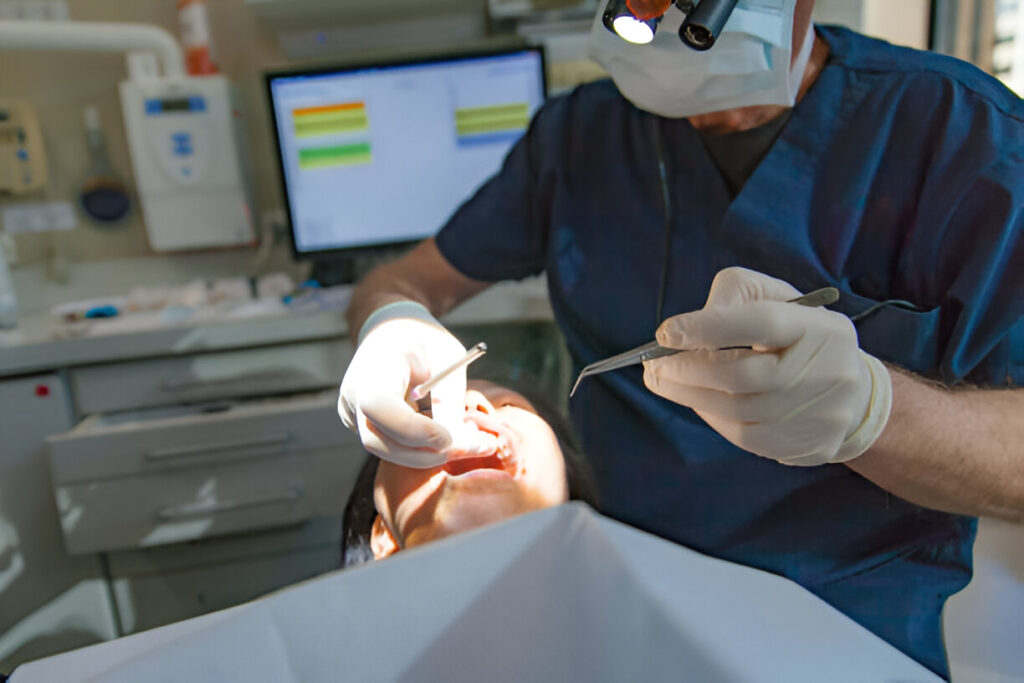
Expert Tooth Extractions by Trusted Dentists in Keller at Keller Family Dental

Taking care of your teeth is essential for overall health, and maintaining good oral hygiene is crucial to prevent serious dental issues. 

Trusted dentists play a vital role in helping you preserve your smile, offering expert guidance and treatments tailored to your needs. Sometimes, tooth extractions become necessary due to decay, overcrowding, or other dental concerns. 

An experienced dental professional to perform these procedures ensures you’re in good hands.

Nearly 10 million tooth extractions occur in the U.S. annually, highlighting the importance of seeking professional help.

In this article, we’ll explore:

  • When tooth extraction is necessary
  • The procedure for tooth extractions
  • How Keller Family Dental makes the process smooth and stress-free
  • Aftercare tips for a smooth recovery

By understanding the importance of professional care, you can make informed decisions about your dental health.

When Are Tooth Extractions Necessary?

Tooth extractions are sometimes essential to maintain or improve oral health. Here are some common reasons why they may be needed:

1. Severe Decay 

Extraction might be the best option if a tooth is severely decayed and the damage is beyond repair with a filling or root canal. Prolong treatment could lead to infection and further damage.

2. Crowded Teeth 

Sometimes, especially before orthodontic treatment, a dentist may recommend extractions to create enough space for proper alignment. Removing one or more teeth ensures that others can shift into their correct positions.

3. Gum Disease 

Advanced gum disease can cause the gums to recede, weakening the support for teeth. If the teeth become loose and there’s no way to save them, extractions may be necessary to prevent further oral health complications.

4. Impacted Wisdom Teeth 

Wisdom teeth often lack enough room to grow properly and can become impacted. When they are trapped under the gumline, they can cause pain, swelling, and infection, leading to extraction.

How Dentists Determine If an Extraction Is Necessary 

Dentists in Keller and elsewhere evaluate the situation by examining your mouth, taking X-rays, and assessing the tooth’s health. Before recommending extraction, they’ll consider decay severity, tooth alignment, and gum health.

The Expertise of Trusted Dentists at Keller Family Dental 

At Keller Family Dental, your smile is in expert hands. The dentists bring years of specialized training and real-world experience performing tooth extractions and other complex dental procedures. They hold advanced degrees, stay current with ongoing education, and are known for their gentle yet precise approach.

Why Trust Matters During Extractions 

Choosing a skilled and trusted dental provider for extractions makes all the difference. Here’s why:

  • Patient safety is a top priority – every procedure is done precisely and cautiously.
  • Comfort is never compromised – your pain is managed with care and empathy.
  • Personalized attention – treatment plans are tailored to your specific oral health needs.

Advanced Tools and Modern Techniques 

Keller Family Dental uses cutting-edge equipment and technology to ensure a smooth, stress-free experience:

  • Digital X-rays for accurate diagnosis
  • Painless numbing techniques to ease anxiety
  • Minimally invasive extraction tools that reduce trauma to the surrounding tissue
  • Guided healing methods to promote faster recovery and less post-op discomfort

In short, Keller Family Dental’s expertise goes beyond technical skills it’s about creating a caring, safe, and positive dental experience for every patient.

The Tooth Extraction Process 

Getting a tooth pulled might sound scary, but understanding the process can make it much easier. Here’s a simple breakdown of what typically happens during tooth extractions in Keller, from prep to aftercare.

Before the Extraction: Consultation & Preparation

  • Your dentist will examine your tooth and take X-rays to assess the root and surrounding bone.
  • You’ll go over your medical history, including medications or health conditions.
  • You may receive pre-procedure instructions, like avoiding food or drink before surgery (especially for sedation cases).

 During the Procedure: Anesthesia & Extraction

  • You’ll be given anesthesia local (numbs the area), sedation (helps you relax), or general (used in complex cases).
  • Once you’re comfortable, the dentist will gently loosen and remove the tooth using special tools.
  • The whole process usually takes less than an hour.

Aftercare: Healing & Follow-Up

  • You’ll receive gauze to control bleeding and instructions to bite down for 30–45 minutes.
  • Follow care tips like:
    • Avoid straws, smoking, and hard foods for 24–48 hours.
    • Use cold packs to reduce swelling.
    • Take prescribed pain meds or over-the-counter options as directed.
  • Your dentist may schedule a follow-up to monitor healing and remove any stitches.

Tooth extractions in Keller are done with patient comfort in mind. With the proper prep and aftercare, recovery is usually smooth and stress-free.

Recovery After a Tooth Extraction

Recovering from a tooth extraction can be smooth if you follow the proper steps. Here’s what to expect and how to help your mouth heal faster.

Typical Recovery Timeline

  • First 24–48 hours: Swelling and mild bleeding are regular. Use an ice pack and rest.
  • 3–5 days: Pain and swelling start to ease. Stick to soft foods and avoid strenuous activity.
  • 1–2 weeks: The extraction site begins to close. Most discomfort should subside.

Post-Op Care & Pain Management

  • Take prescribed painkillers or over-the-counter medications as advised.
  • Avoid smoking, spitting, or using straws they can dislodge the blood clot.
  • Gently rinse with salt water after 24 hours to keep the area clean.

Tips to Speed Up Healing

  • Follow your dentist’s instructions they’re tailored to your specific case.
  • Eat soft, cool foods like yogurt, mashed potatoes, or smoothies.
  • Stay hydrated, but avoid hot drinks for a few days.

Don’t Skip Follow-Ups

Follow-up appointments help your dentist check for signs of infection and ensure your gums are healing correctly. A quick visit can prevent long-term issues.

Alternatives to Tooth Extractions

Before jumping to a tooth extraction, it’s worth knowing that there are several effective ways to save your natural tooth, and Keller Family Dental is here to help you explore those options.

Root Canal Therapy 

When a tooth is infected or badly decayed, a root canal can remove the damaged tissue while keeping the outer tooth intact. It’s a pain-relieving, tooth-saving procedure that often avoids the need for removal.

Dental Crowns 

 A crown can restore strength and function if your tooth is cracked, weakened, or severely worn down. Crowns fit snugly over the tooth and offer long-lasting protection.

Braces and Orthodontics 

Sometimes, extractions are recommended due to crowding. But with modern orthodontics, we can often realign teeth and create space no removal needed.

Takeaway

  • Tooth extractions are sometimes necessary due to decay, crowding, or gum disease trusting a skilled dentist ensures a safe and comfortable experience.
  • Keller Family Dental uses advanced techniques and compassionate care to smooth and stress-free the extraction process.
  • Recovery and aftercare are key following your dentist’s instructions promotes faster healing and prevents complications.
  • Let’s change how you smile – connect with our oral care experts at Keller Family Dental today! 

Keller Family Dental’s Approach to Tooth Extractions in Keller, TX

Summary:

Tooth extractions, while often necessary, can be a source of anxiety for many patients. Keller Family Dental’s expert team of dentists understands these concerns and strives to make the process as seamless and comfortable as possible. Let’s explore the Keller Family’s approach to simple and surgical tooth extractions, highlighting their commitment to patient care and pain management. 

Keller Family Dental’s Approach to Tooth Extractions in Keller, TX_1

Blog:

At Keller Family Dental, tooth extractions are more than just a routine procedure; they represent an important part of their comprehensive dental care services. While no one enjoys the thought of losing a tooth, there are instances where it becomes the best option for maintaining overall oral health. 

Tooth extraction is sometimes necessary to prevent further complications, whether due to severe decay, damage, or overcrowding. Fortunately, the skilled dentists at Keller Family Dental provide both simple and surgical extractions, emphasizing comfort and patient well-being.

Understanding the Types of Tooth Extractions

There are two primary types of extractions that Keller Family Dental offers: simple extractions and surgical extractions. Knowing the difference can help you understand what to expect if your dentist recommends an extraction.

Simple Extractions: The Quick and Efficient Option

Simple extractions are typically performed when the tooth is visible and accessible. For example, a tooth that has grown straight with no underlying issues can be removed using this method. The procedure is fairly straightforward: after numbing the area, the dentist will loosen the tooth using specialized tools and carefully remove it from its socket.

  • When is a Simple Extraction Necessary?
    Simple extractions are often used for teeth that are decayed beyond repair or need to be removed to make space for orthodontic treatment.
  • What Can You Expect?
    The procedure usually takes only a few minutes, and recovery is generally quick. Post-procedure discomfort is typically minimal and can be managed with over-the-counter pain relievers.

Surgical Extractions: When Precision and Expertise Are Needed

In contrast, surgical extractions are required when a tooth is impacted, broken at the gum line, or cannot be easily accessed. During this extraction, the dentist may need to make a small incision in the gum to access the tooth. Sometimes, the tooth must be sectioned into smaller pieces for easier removal.

  • When is a Surgical Extraction Necessary?
    Surgical extractions are commonly required for impacted wisdom teeth or teeth that have not fully emerged from the gum.
  • What Can You Expect?
    While surgical extractions are more complex than simple extractions, the team at Keller Family Dental is equipped to handle even the most challenging cases. The procedure is conducted under local anesthesia, and the dentist will take every step to ensure a smooth and comfortable experience.
Keller Family Dental’s Approach to Tooth Extractions in Keller, TX_2

Fun Fact: Why Do We Have Wisdom Teeth Anyway?

Did you know that wisdom teeth were once essential for our ancestors? Early humans needed these extra molars to grind down tough foods like roots, leaves, and raw meat. Today, wisdom teeth are primarily unnecessary and often problematic due to changes in our diet and jaw size!

Patient-Centered Care: Making Tooth Extractions Stress-Free

At Keller Family Dental, the goal is to make your tooth extraction in Keller, TX, as stress-free as possible. Their approach begins with thorough communication and patient education. Before the procedure, the dentist will discuss your options, address your concerns, and ensure you understand every step.

Personalized Treatment Plans

No two extractions are the same, so the dentists at Keller Family Dental take the time to create personalized treatment plans. Whether you need a simple extraction or a more complex surgical procedure, your treatment will be tailored to your needs.

Pain Management and Comfort

One of the biggest concerns patients have about tooth extractions is pain. Keller Family Dental takes pain management seriously. They use advanced numbing techniques and, in some cases, sedation to ensure you feel as little discomfort as possible during the procedure. For surgical extractions, additional options such as IV sedation may be available to help you relax.

The Importance of Aftercare: Ensuring a Smooth Recovery

The care you receive after your extraction is just as important as the procedure itself. Keller Family Dental provides comprehensive aftercare instructions to promote healing and prevent complications such as dry sockets or infections.

Aftercare Tips for a Speedy Recovery:

  • Rest and Avoid Strenuous Activity:
    After the extraction, take it easy for the first 24 hours to allow your body to heal.
  • Use Ice Packs:
    Applying an ice pack to your cheek in 15-minute intervals can help reduce swelling and discomfort.
  • Follow Your Dentist’s Instructions on Eating and Drinking:
    Stick to soft foods like yogurt, applesauce, and soup, and avoid using straws, as this can dislodge the clot that forms in the socket.
  • Keep the Area Clean:
    Rinse your mouth gently with salt water to preserve the extraction site, but avoid strong rinsing as this might disturb the healing process.
Keller Family Dental’s Approach to Tooth Extractions in Keller, TX_3

Tooth Extraction for Wisdom Teeth: A Common Surgical Procedure

One of the most frequent reasons for a surgical extraction is wisdom teeth removal. These third molars often become impacted, meaning they don’t have enough room to emerge properly. Impacted wisdom teeth can cause pain, swelling, and infection, so they’re often extracted before they become problematic.

  • Why Remove Wisdom Teeth?
    Wisdom teeth don’t always need to be removed. However, if they are causing pain or are likely to cause future dental issues, extraction is recommended to avoid complications.
  • What to Expect During Wisdom Tooth Extraction?
    Wisdom tooth extractions are more complicated than regular extractions. Still, the Keller Family Dental dentists have extensive experience in performing these procedures while focusing on patient comfort.

The Keller Family Dental Difference: Why Patients Trust Us

Keller Family Dental has a reputation for delivering high-quality, compassionate dental care. Patients trust the team because of their expertise, patient-first approach, and commitment to providing a positive experience during tooth extractions.

What Sets Keller Family Dental Apart?

  • Advanced Technology:
    Keller Family Dental uses the latest technology to ensure safe and effective extractions. From digital X-rays to precise surgical techniques, they invest in the tools that make extractions smoother and safer.
  • Experienced Team:
    Each dentist brings years of experience and specialized training to every procedure, giving patients peace of mind knowing they’re in capable hands.
  • Focus on Patient Education:
    The dentists take the time to educate patients about their options and the procedure itself, so there are no surprises on the day of the extraction.
  • Comprehensive Care:
    From the initial consultation to post-procedure care, Keller Family Dental provides comprehensive dental services to ensure your oral health is in top condition.

Takeaways:

  • Simple vs. Surgical Extractions: Understanding the difference helps set expectations for the procedure.
  • Personalized Care: Keller Family Dental tailors each extraction plan to the individual needs of the patient.
  • Pain Management: The team prioritizes comfort through advanced numbing and sedation techniques.
  • Aftercare is Key: Following your dentist’s aftercare instructions ensures a smooth recovery and reduces the risk of complications.