
Introduction
A brighter smile is one of the most common cosmetic goals among dental patients today.
Over time, however, teeth naturally lose some of their brightness due to aging, dietary habits, enamel wear, and exposure to staining substances such as coffee, tea, wine, and tobacco.
For many people, whitening treatments are an appealing way to refresh their appearance without altering the natural structure of their teeth.
With so many whitening products available, patients often feel uncertain about which option actually works best. Whitening strips, toothpaste, LED kits, and online remedies are heavily marketed, but the results can vary significantly depending on the type of discoloration and how the treatment is used.
The reality is that no single whitening method works equally well for everyone. A qualified dentist in Keller TX can determine the most effective approach based on factors such as stain depth, oral health condition, enamel sensitivity, and desired results.
Therefore, this blog takes a closer look at the most effective way to whiten teeth using the following topics:
- The Problem with Teeth Whitening
- Professional Teeth Whitening – How It Works
- Why Undergo Professional Teeth Whitening?
This article explains how professional whitening works, what affects treatment success, and how patients can choose a safer and more effective whitening strategy.
The Problem with Teeth Whitening
According to the American Dental Association (2024), tooth discoloration can develop from both external and internal causes.
Extrinsic stains form on the enamel surface due to foods, beverages, smoking, and poor oral hygiene. Intrinsic discoloration develops deeper inside the tooth and may result from aging, trauma, medication use, or enamel thinning over time.
One of the biggest challenges with teeth whitening in Keller, TX, is that many patients assume all stains respond similarly to treatment. In reality, some types of discoloration are easier to improve than others. Surface stains may respond well to whitening products, whereas deeper intrinsic stains often require stronger or professionally supervised treatments.
Another issue is the overuse of store-bought products. Whitening strips, abrasive toothpastes, and unregulated whitening systems are frequently used without understanding their effects on enamel and gum tissue. Inconsistent application may also lead to patchy or uneven results.
Professional whitening differs in that it is customized to the patient’s enamel condition, stain severity, and long-term cosmetic goals. This allows for more predictable results while minimizing unnecessary irritation or uneven whitening.
Professional Teeth Whitening – How It Works
Before you go to Google asking, ‘how to make your teeth whiter,’ here’s a closer look at the different steps involved in the procedure:
Step I – Evaluation of enamel condition and discoloration type:
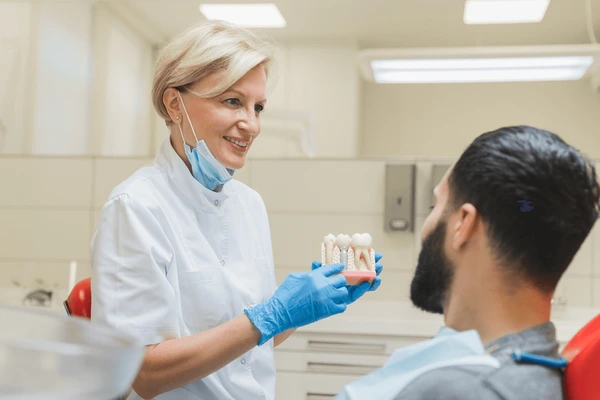
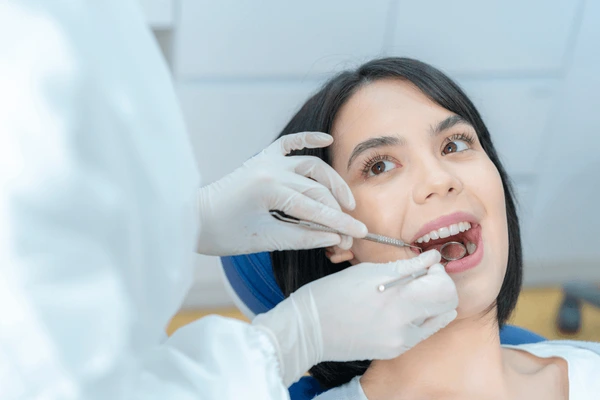
The whitening process begins with a detailed examination of the teeth and gums. The dentist evaluates whether the discoloration is surface-level or deeper within the tooth structure, and assesses enamel health and sensitivity.
Step II – Selection of the most appropriate whitening method:
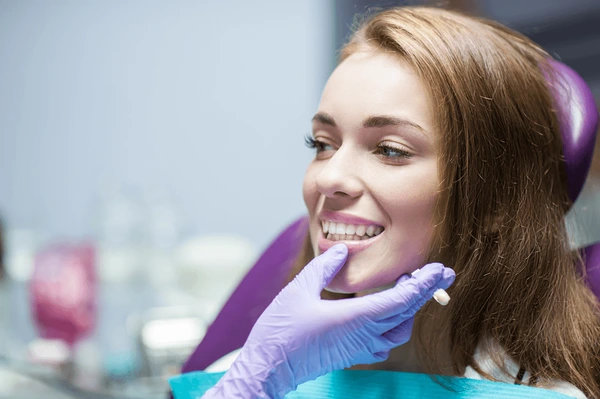
Based on the evaluation, the dentist recommends either in-office whitening, professional take-home trays, or a combination approach. This recommendation depends on stain severity, desired speed of results, and patient comfort preferences.
Step III – Application of professional whitening agents:
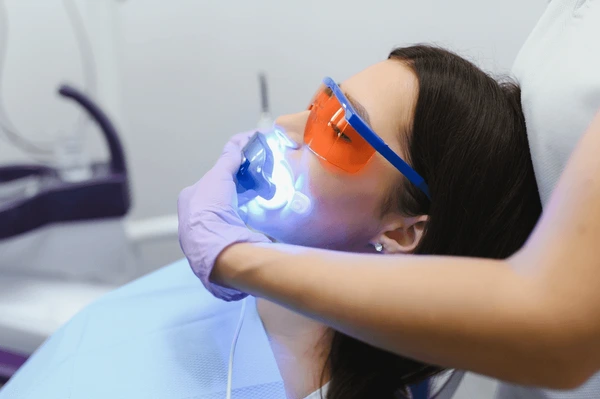
Whitening gels containing controlled-strength bleaching ingredients are applied to the teeth. These agents are designed to penetrate the enamel and break down stain particles more effectively than many over-the-counter products.
Step IV – Targeting both surface and deeper discoloration:
Professional whitening systems work by lifting stains from both the outer enamel and the inner tooth structure when possible. This helps create more even and noticeable brightening.
Step V – Monitoring sensitivity and protecting soft tissues:
During treatment, the dental team carefully protects the gums and monitors patient comfort. This helps reduce irritation and allows adjustments if sensitivity develops.
Step VI – Post-treatment maintenance and prevention guidance:
After whitening, patients receive recommendations on dietary habits, oral hygiene routines, and maintenance schedules that help preserve results and reduce future staining.
At A Glance
| Who Qualifies? | Patients with mild to moderate discoloration or those who want to improve the aesthetics of their smile are ideal candidates for teeth whitening treatment. |
| Process Overview | Step 1 Schedule a consultation with your dentist to discuss teeth whitening. Step 2 Your dentist will select the most appropriate whitening treatment and improve your smile by 1 or 2 shades. Step 3 Once done, the professional will suggest the go-to tips to maintain the longevity of the whitening effect. |
| Timeline | Teeth whitening treatment takes 1 to 2 visits. |
| Aftercare | Follow recommendations from your dentist in Keller, TX, for oral care, and avoid staining foods and drinks like wine, tea, and coffee. |
| Location & Contact | Keller Family Dental794 Keller Pkwy A, Keller, TX 76248, United States |
Why Undergo Professional Teeth Whitening?
Professional whitening systems are designed to improve brightness more evenly across the smile, reducing the patchy appearance sometimes associated with over-the-counter products. Here’s a closer look at the perks of undergoing the treatment:
a. Addresses deeper discoloration more effectively:
Stronger yet controlled whitening agents can target stains that may not respond well to standard whitening toothpaste or strips.
b. Allows treatment customization based on sensitivity:
Patients with enamel sensitivity or gum irritation can receive whitening plans adjusted to their comfort levels, helping improve the overall experience.
c. Improves smile appearance without invasive procedures:
Whitening enhances the natural appearance of teeth without altering tooth structure, making it a less invasive cosmetic option.
d. Supports confidence in social and professional settings:
Many patients feel more comfortable smiling, speaking, and interacting after improving the brightness of their teeth.
e. Provides guidance for maintaining long-term results:
Professional treatment includes recommendations for oral hygiene and lifestyle habits that help reduce future staining and extend whitening results.
f. Reduces risks associated with improper product use:
Dental supervision helps patients avoid overuse, uneven application, and irritation that can occur with unregulated whitening products.
Keller Family Dental – Serving Smiles Locally
As Keller continues to grow with active professionals and families, cosmetic dental care has become increasingly popular among residents seeking to improve the appearance of their smiles while maintaining natural-looking results.
Many patients want whitening solutions that are effective without causing excessive sensitivity or requiring complicated routines. The clinic supports patients across Keller and nearby communities with customized whitening treatments tailored to enamel condition, stain severity, and cosmetic goals.
The practice emphasizes individualized treatment planning, patient comfort, and long-term maintenance strategies to support safer, more consistent whitening outcomes. Schedule a consultation with the experts today!
FAQs
1. What whitening method usually provides the most noticeable results?
Professional in-office whitening often produces faster, more visible results because it uses stronger, carefully controlled whitening agents under dental supervision.
2. Are over-the-counter whitening products effective?
Some over-the-counter products may improve mild surface stains, but results are often less predictable and may not effectively address deeper discoloration.
3. Can teeth whitening damage enamel?
When performed correctly and under professional supervision, whitening is designed to be safe for enamel. Problems are more likely when products are overused or used improperly.
4. Why do some people experience sensitivity after whitening?
Sensitivity can occur when whitening agents temporarily affect the tooth surface or exposed root areas. Professional monitoring helps reduce and manage discomfort.
5. How long do whitening results typically last?
Results vary depending on oral hygiene habits, dietary choices, and tobacco use. Many patients maintain results for months or longer with proper care.
6. Can all stains be removed with whitening treatment?
Not all discoloration responds equally. Some intrinsic stains may require alternative cosmetic treatments depending on severity and cause.
Conclusion
The most effective teeth whitening approach depends on more than simply choosing the strongest product available.
Factors such as stain type, enamel condition, sensitivity levels, and long-term maintenance habits all influence how successful whitening treatment will be.
Professional guidance helps patients choose safer and more predictable solutions while reducing the risk of uneven results or unnecessary irritation.
If you are considering teeth whitening and want to understand which option best fits your smile goals, schedule a consultation with Keller Family Dental today and take the next step toward a brighter, healthier-looking smile.