

Summary:
Missing teeth change everything. You avoid certain foods because chewing is difficult. You smile differently, keeping your lips closed. Maybe you’ve adapted to the gap, developed workarounds, and convinced yourself it’s fine.
But it’s not fine. That missing tooth is causing problems you can’t see yet. The bone where your tooth used to be is slowly dissolving. Neighboring teeth are shifting toward the gap. Your bite is changing in ways that will cause issues years from now.
Dental implants in Keller, TX, offer something other replacement options can’t. They replace the root structure, not just the visible part of the tooth. This distinction matters enormously for long-term oral health.
In the following sections, we’ll learn about:
- Why replacing the root matters as much as replacing the crown
- What the actual implant process requires from you
- How Keller dental implants compare to other replacement options
- Whether the investment makes sense for your situation
Let’s figure out if implants are the right solution for your missing teeth.
Why Root Replacement Changes Everything
Your natural tooth root does more than anchor the tooth. Every time you bite down, force is transmitted through the root into your jawbone. This pressure signals your body to maintain that bone.
Remove the tooth, remove the pressure signal. Your body interprets this as “bone no longer needed here” and begins resorption. The bone gradually disappears.
Bone loss affects more than just that one spot. Your facial structure depends on jawbone volume. As bone disappears, your face subtly changes. Your lips lose support. These changes accumulate over the years.
Neighboring teeth drift toward the gap because nothing holds them in position. The tooth opposite the missing one can over-erupt. What started as one missing tooth creates a cascade of alignment problems.
Implants stop this cascade. The titanium post is placed in your jawbone where the natural root was. Through osseointegration, your bone fuses with the titanium. The implant transfers biting force into your jawbone exactly like a natural root does.
This is why implants aren’t just another replacement option. They’re the only option that addresses the root problem.
When Bone Grafting Enters the Picture
Sometimes there isn’t adequate bone to support an implant. This happens when teeth have been missing for years or an infection destroyed bone before extraction.
Bone grafting adds material to deficient areas using your own bone, donor bone, or synthetic materials. The graft needs several months to integrate before implant placement.
This extends the timeline but makes implants possible for people who otherwise couldn’t get them.
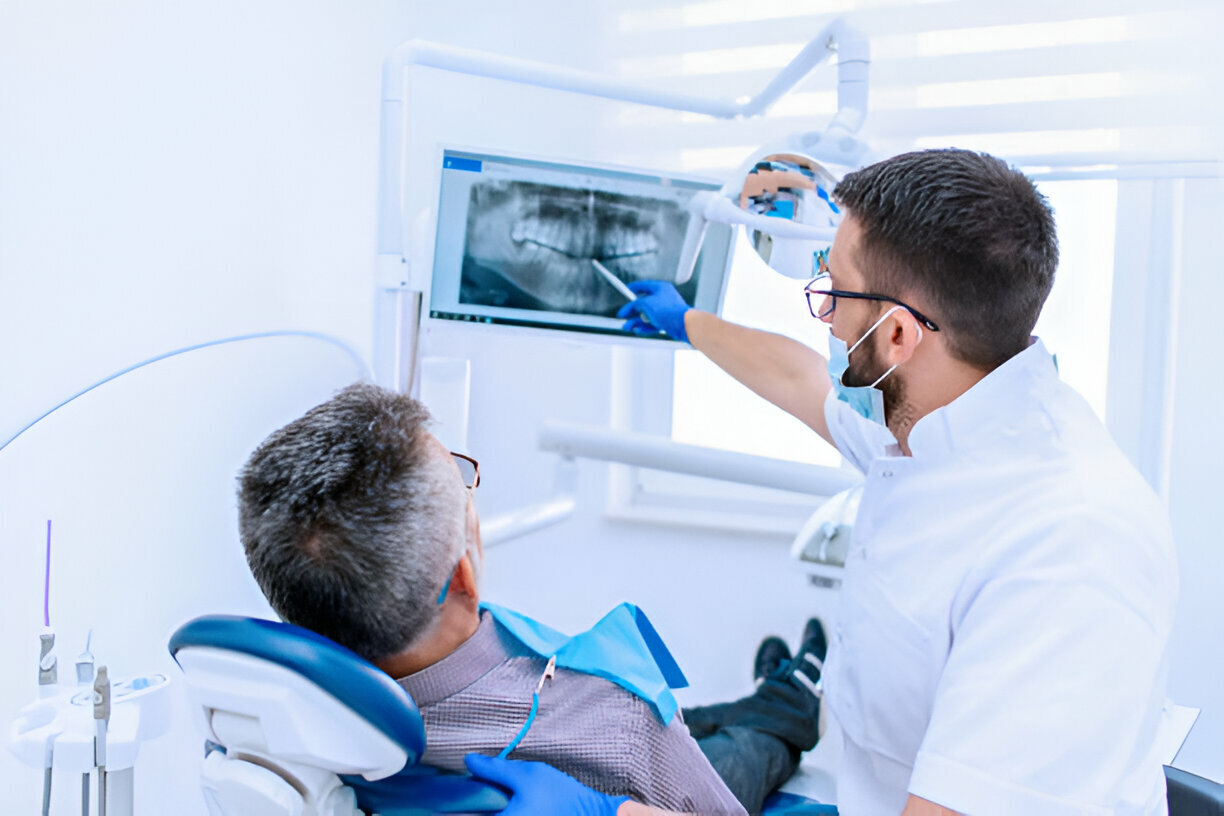
CT scans show whether your bone can support implants. Many people have adequate bone and proceed directly to implant placement.
Comparing Replacement Options
Understanding alternatives helps you make an informed choice.
Traditional Bridges
Bridges require grinding down healthy teeth adjacent to the gap. These teeth get crowned, and the replacement tooth connects to them.
Bridges look good and function reasonably well. But you’re sacrificing two healthy teeth to replace one. Bridges last 10 to 15 years before replacement. Bone loss continues underneath.
Dentures
Dentures rest on your gums. They slip while eating and talking. Bone loss accelerates because they don’t provide the pressure stimulation that bone needs.
Many find dentures uncomfortable. Certain foods become difficult. Dentures need to be replaced every five to seven years.
Implant-Supported Dentures
Dentures that snap onto several implants. Much more stable. Don’t slip or require adhesives. Still removable for cleaning.
Good option for people missing most of their teeth who want stability without individual implants for each missing tooth.
Individual Implants
Each missing tooth gets its own implant and crown. Nothing affects adjacent teeth. Bone stays preserved. Functions exactly like natural teeth. Lasts 25+ years.
Most expensive upfront. Longest treatment time. Requires surgery. But delivers results closest to the original teeth.
Who Can Get Implants
Most people with missing teeth can get implants, but certain factors affect candidacy, namely:
- You need adequate bone density. Insufficient bone means grafting first.
- Healthy gums are essential. Active gum disease requires treatment before implant placement.
- Certain conditions complicate matters. Uncontrolled diabetes affects healing. Heavy smoking reduces success rates. Radiation therapy to the jaw creates challenges.
- Age itself isn’t a barrier. What matters is bone quality and overall health.
If you grind teeth severely, you’ll need a nightguard to protect your implant. It’s best to visit your dentist near Keller, TX, for more information.
Success and Longevity
Implants have a high success rate:
Implants have a 95 to 98 percent success rate when properly placed and cared for.
Success means the implant integrates with the bone and functions normally for years. Most last 25 years or more. Many last for life.
Crowns need replacement, too:
The crown might need replacement eventually. But the implant post rarely fails once osseointegration is complete.
Implant failure happens early:
Failure, when it happens, usually occurs early. The implant doesn’t integrate properly, or an infection develops before healing is complete.
Long-term failure is rare but can result from poor hygiene, smoking, or health issues. Regular dental visits and good home care significantly extend implant life.
Are Dental Implants Right for You?
If you’re dealing with tooth loss, don’t wait years hoping for a better option. The gap isn’t stable. It’s actively causing problems that worsen with time.
Schedule a consultation with a dentist who regularly places implants. Get a thorough evaluation, including imaging, to assess your bone. Understand your options and what each will cost.
Keller dental implants offer the closest thing modern dentistry has to the growth of a new tooth. The process takes time and money, but the result is permanent tooth replacement that could last the rest of your life.
Your teeth are worth investing in properly. Implants make that investment in a way that preserves your oral health over the long term.
Patients Also Ask
1. What should I consider before undergoing dental implant treatment?
Implants require significant upfront investment. They also prevent bone loss, protect adjacent teeth, and function like natural teeth for decades.
2. What should I know before opting for implants?
Your specific priorities and circumstances should guide the decision. Cost matters. Timeline matters. What you value in a replacement matters.
3. What’s the timeline for dental implants?
The process takes six months to a year from start to finish, but results typically last 25+ years.
Takeaway:
- Dental implants replace the root structure of a missing tooth with titanium posts that fuse with the jawbone, preventing bone loss associated with missing teeth.
- Implants preserve jawbone and function like natural teeth, unlike bridges or dentures, which are surface solutions.
- Ready to give yourself a chance at improving your smile? Connect with our experts at Keller Family Dental today!